Research fostering innovation

The innovation we bring to infrastructure monitoring is built on a solid foundation of academic research, which we continue to pursue with rigour and curiosity. Through scientific publications and collaborations with leading universities, we develop ever more accurate and reliable algorithms. Explore the publications and research that underpin our solutions.
A new methodology to detect corrosion on steel truss railway bridges exploiting local strain gauges: Analytical, numerical, and experimental validation
Authors:
Lorenzo Bernardini, Francesco Morgan Bono, Antonio Argentino, Lorenzo Benedetti, Gabriele Cazzulani, Claudio Somaschini, Marco Belloli
Abstract:
Steel truss bridges suffer from ageing deterioration phenomena, among which corrosion is the most critical. Several works in the literature proved strain gauges effective in assessing corrosion effects over bridge truss elements. This paper proposes a novel diagnostic methodology based on measurements performed by [...]

Published Papers
A new methodology to detect corrosion on steel truss railway bridges exploiting local strain gauges: Analytical, numerical, and experimental validation
Steel truss bridges suffer from ageing deterioration phenomena, among which corrosion is the most critical...
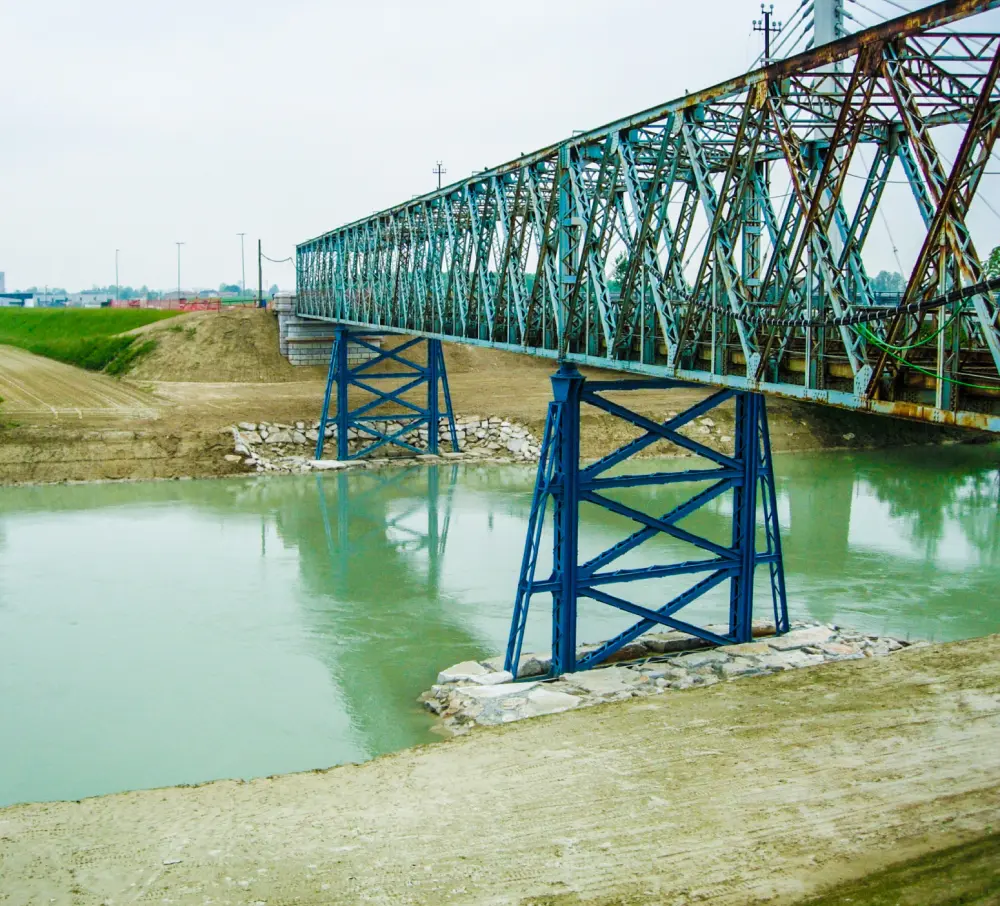
Automated Operational Modal Analysis of a steel truss railway bridge employing free decay response
The efficiency and resilience of transportation networks depend significantly on the integrity of bridges, which are increasingly threatened by ageing...
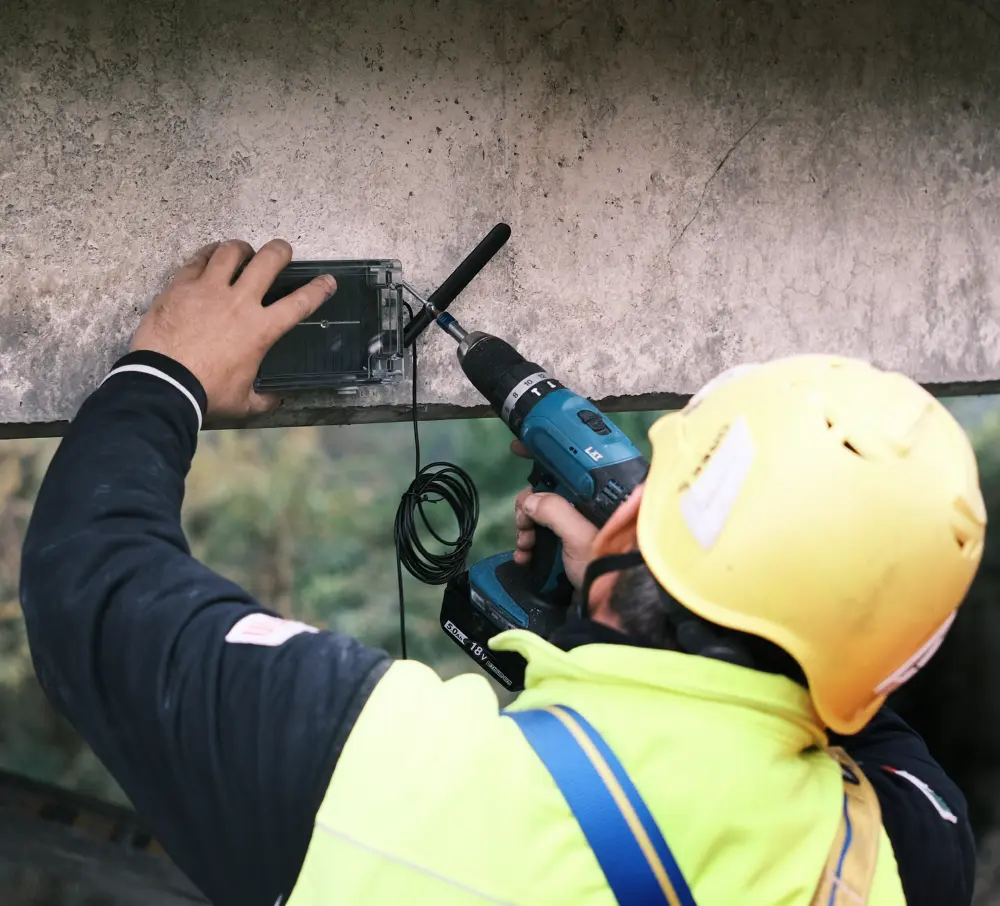
Wireless Accelerometer Architecture for Bridge SHM: From Sensor Design to System Deployment
This paper introduces a framework to perform operational modal analysis (OMA) for structural health monitoring...

On the performance of data‑driven dynamic models for temperature compensation on bridge monitoring data
In Structural Health Monitoring, environmental and operational variables present a persistent challenge...

Structural Health Monitoring of a steel truss railway bridge studying its low frequency response
In the framework of direct Structural Health Monitoring approaches, this paper presents a low frequency range analysis...
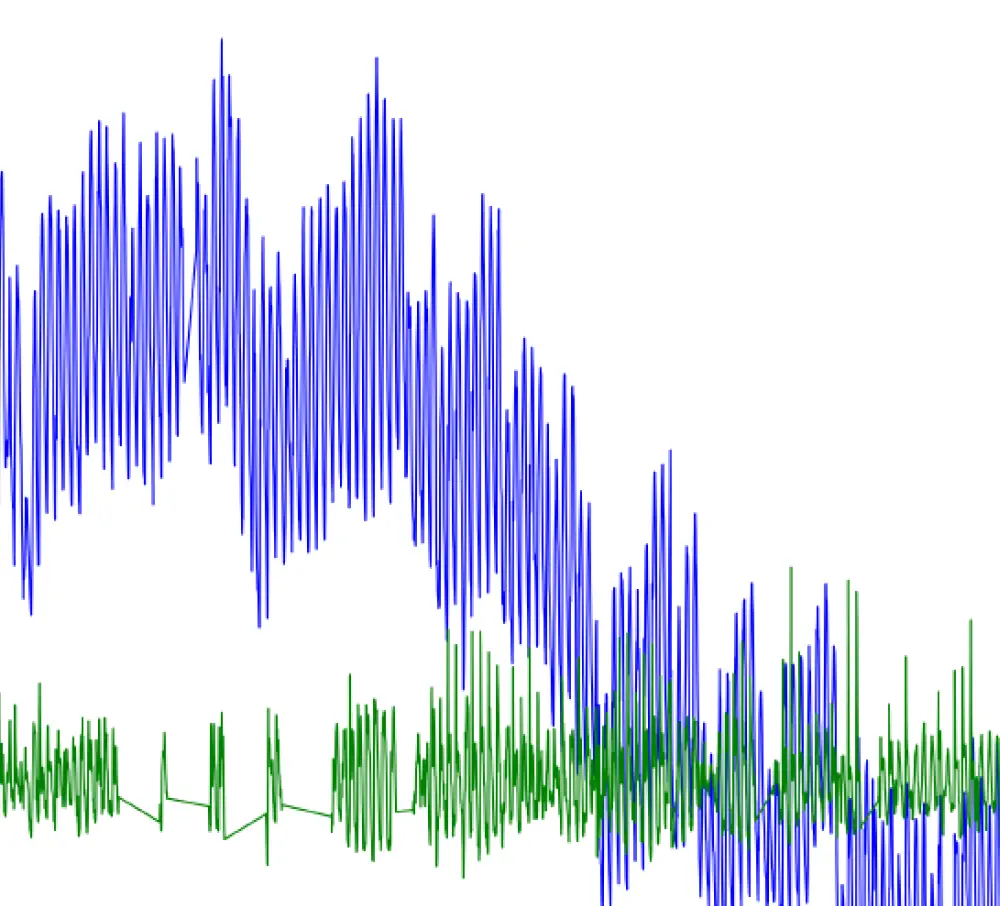
Design and Application of a Statistical Learning Methodology to Remove Temperature Effect on Static Signals for Bridge Structural Health Monitoring
Infrastructures are essential for the development and flourishing of countries; in this context, bridges play an irreplaceable role as links for goods and people...
FAQ
Displaid in details
01-What role does research play in the development of Displaid solutions?
Research is the driving force behind Displaid’s innovation. Every sensor, algorithm and platform is designed and tested starting from advanced scientific studies and rigorous engineering methodologies. This academic foundation ensures that our solutions are reliable, accurate and scalable, transforming complex data into actionable information and enabling infrastructure managers to make evidence-based decisions.
02-Does Displaid collaborate with universities and research centres?
Yes. Displaid maintains active collaborations with leading universities and research centres at both national and international level, including Politecnico di Milano and MIT. These partnerships allow us to continuously refine our algorithms, test new technologies and contribute to scientific publications, strengthening the technical credibility and reliability of our solutions.
03- How does research translate into tangible benefits for infrastructure managers?
Research does not remain theoretical: results are directly applied to real-world infrastructure monitoring. The developed algorithms enable the detection of specific degradation mechanisms, such as bearing deterioration or corrosion, and generate clear indicators to support inspection planning and maintenance actions. In practical terms, infrastructure managers gain predictive tools and decision-support systems that improve safety, reduce costs and optimise the lifecycle management of assets.